
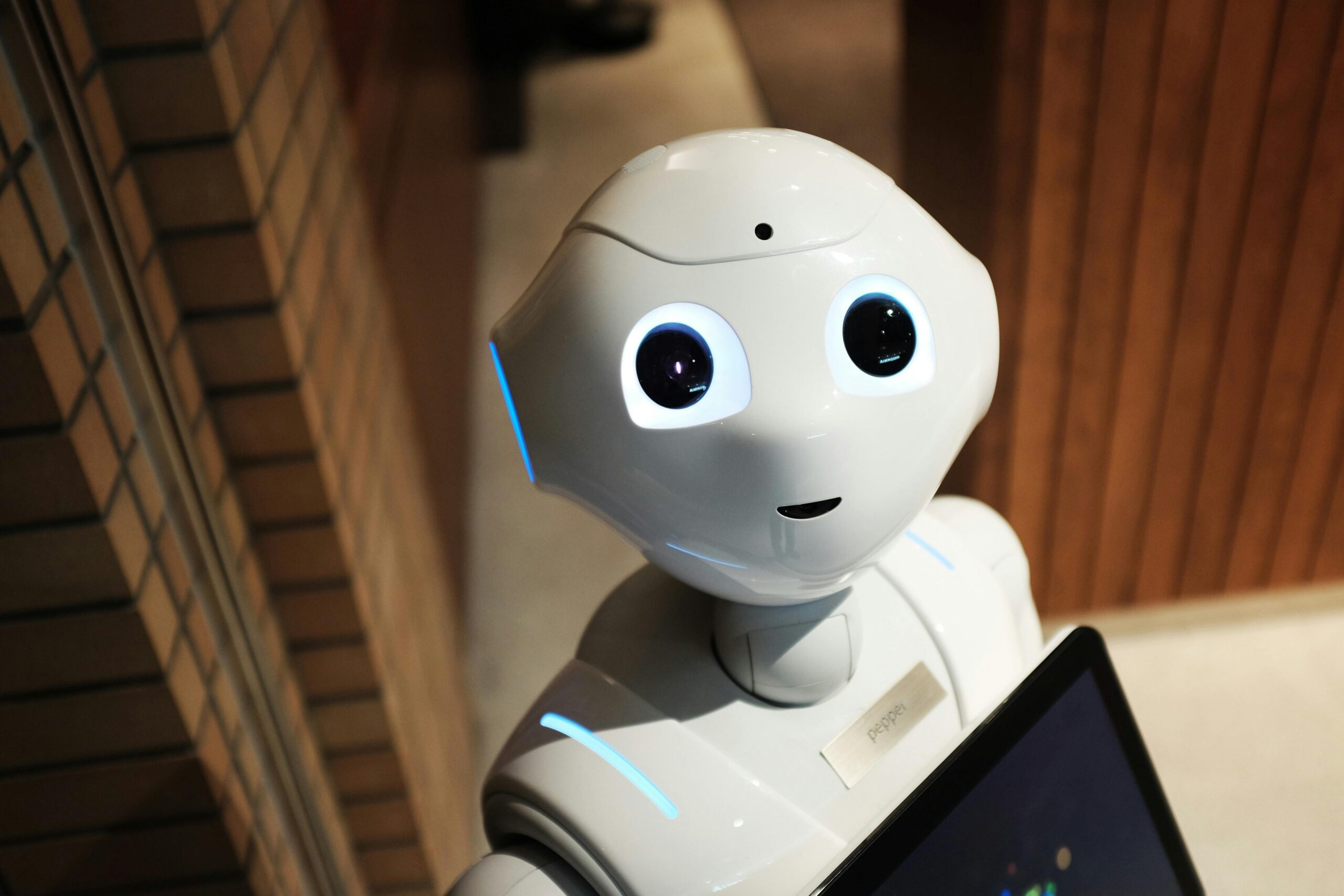

AI Is Not a Silver Bullet in Advertising
Artificial intelligence has quickly become the buzzword of modern marketing. From predictive bidding in Google Ads, to creative variations in Meta’s Advantage+ campaigns, to AI-powered creative tools like Google Asset Studio and TikTok Symphony, advertisers now have access to automation that would have been unimaginable five years ago.
With all this progress, one narrative has emerged: that AI can replace the advertiser. That simply “turning on the machine” is enough to deliver profitable campaigns at scale.
It’s a comforting idea—but it’s also a dangerous myth.
The truth is that AI is a tool, not a strategist. Without skilled human oversight, AI-powered campaigns risk becoming directionless, misaligned with brand objectives, or even outright wasteful.
In this article, we’ll explore why AI alone is not enough, why human advertisers remain irreplaceable, and how the combination of both creates the strongest campaigns in today’s digital landscape.
The Rise of AI in Digital Advertising
There’s no denying AI’s transformative impact on the ad industry. Every major platform has rolled out AI-driven features:
- Google Ads: Smart Bidding, Performance Max, and AI-powered creative recommendations.
- Meta Ads: Advantage+ Shopping and Advantage+ Creative, which automate targeting, placements, and asset variations.
- TikTok: Symphony and AI-generated scripts, designed to speed up creative production.
- Snap & Pinterest: Generative AI for augmented reality filters, dynamic creative optimization, and predictive insights.
These tools handle millions of micro-decisions per second—adjusting bids, swapping creatives, or re-allocating budget in real time. They reduce manual effort and give advertisers more leverage than ever before.
But here’s the key: while AI executes, it doesn’t strategize. AI doesn’t know your customer journey, your cost structure, or your unique brand voice. That’s where the advertiser comes in.
Where AI Falls Short
AI excels in efficiency, but it has blind spots. Here are three critical areas where it cannot replace skilled human advertisers:
1. Business Context
AI only optimizes based on the signals it’s given. If your goal is set to “maximize conversions,” it will pursue the cheapest conversions—not necessarily the most valuable ones. For example:
- A DTC brand selling supplements may find AI driving sales of a lower-margin product instead of promoting its hero SKU.
- A B2B service may see AI optimize for leads that look good on paper but aren’t qualified.
An advertiser understands the full business context—lifetime value, profitability, seasonality, and growth priorities. AI doesn’t.
2. Creative Strategy
AI can remix existing creative, generate countless variations, and test them faster than any human team. But it cannot create a big idea. Campaigns don’t win because of a slightly different headline or CTA button color. They win because of storytelling, positioning, and resonance. These are fundamentally human skills rooted in psychology, culture, and empathy.
3. Adaptive Judgment
Markets shift fast. Competitors launch new offers, platforms introduce fresh policies, and world events can reshape consumer sentiment overnight. AI operates within the rules it’s given. Humans know when to break those rules, when to pivot strategy, and when to reframe campaigns entirely.
The Human Advantage: What Skilled Advertisers Bring
A good advertiser is more than a “button pusher.” They’re a strategist, analyst, and creative director rolled into one. Here’s what they bring that AI cannot replicate:
- Strategic Alignment: Connecting campaigns to business goals like revenue, market expansion, or customer lifetime value.
- Data Interpretation: Translating performance dashboards into insights that inform not just ads, but product, pricing, and brand strategy.
- Creative Vision: Building narratives, emotional hooks, and distinctive brand assets that AI tools can iterate on but never originate.
- Cross-Channel Integration: AI tools often operate within siloed platforms. Advertisers see the full ecosystem—Google, Meta, TikTok, email, SEO—and design cohesive strategies.
- Ethical Judgment: Knowing when not to exploit certain audience segments, respecting data privacy laws, and building sustainable practices.
These human skills are what turn AI from an automation tool into a performance engine.
AI and Humans: Stronger Together
The strongest campaigns aren’t “AI-driven” or “human-led”—they’re powered by synergy. Here’s what that looks like in practice:
- AI Handles Execution: Bids, placements, and asset rotations are managed by machine learning.
- Humans Guide Strategy: Advertisers define audience priorities, brand positioning, and business outcomes.
- AI Surfaces Insights: Algorithms identify which creative is performing, or which audience segments are most responsive.
- Humans Ask “Why”: Advertisers interpret insights, test hypotheses, and make judgment calls beyond the numbers.
Think of AI as the autopilot system in a plane. It’s incredibly precise, but you still want a skilled pilot in the cockpit—because context, judgment, and safety go beyond automated rules.
Case in Point: When AI Alone Isn’t Enough
Consider two brands running similar Meta Advantage+ campaigns:
- Brand A leaves everything to automation, letting AI decide placements, creative mixes, and optimization goals. They see some sales, but margins are thin, and their ads lack a consistent brand message.
- Brand B uses the same AI tools but with advertiser oversight. They set clear profitability thresholds, align creatives with brand values, and refine offers to drive both acquisition and retention. Their campaigns scale profitably while strengthening long-term brand equity.
Both used AI. Only one used it well.
The Future of Advertising: Human-Centered AI
As platforms invest billions into automation, one thing is clear: the role of the advertiser isn’t disappearing—it’s evolving. Advertisers who thrive in the next decade will be those who:
- Embrace AI as leverage, not replacement. Use automation to free up time for higher-order strategy.
- Invest in creative thinking. Double down on brand, storytelling, and distinctiveness.
- Develop cross-disciplinary skills. Blend data analysis with psychology, culture, and market awareness.
- Stay adaptive. Leverage AI insights but know when to pivot beyond the algorithm’s scope.
The advertisers who ignore AI risk being outpaced. But the ones who rely only on AI risk being outsmarted.
Final Thoughts
AI has changed advertising forever—but it hasn’t eliminated the need for skilled advertisers. If anything, it has amplified their importance. By handling executional complexity, AI frees up humans to focus on creativity, judgment, and strategy—the areas where they create the most value.
At Disruptive Digital, we believe the future of advertising is not AI versus human—it’s AI plus human. The brands that win will be the ones that harness both, creating campaigns that are not just efficient, but also strategic, creative, and aligned with business outcomes.